
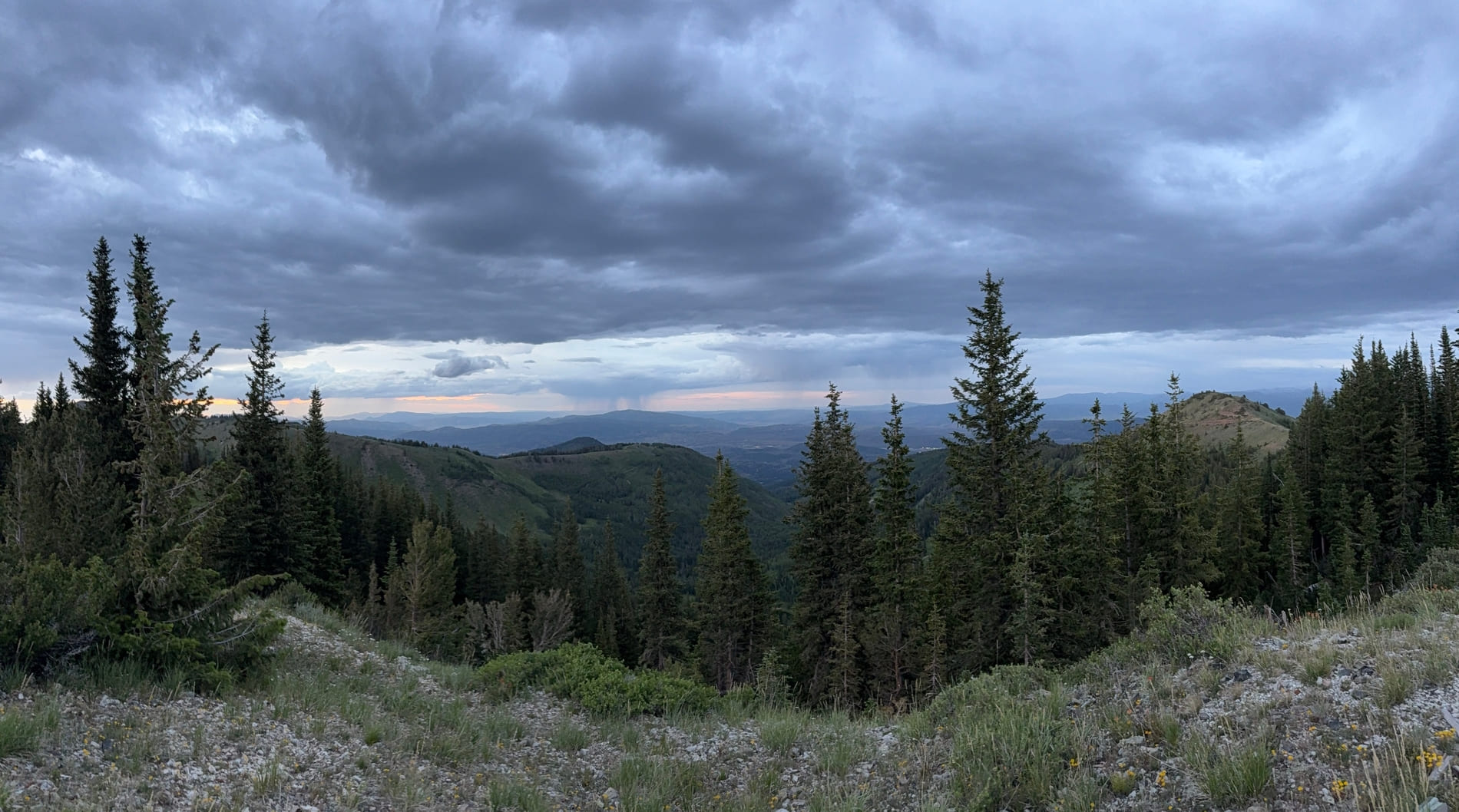
Your Zoom background just became more interesting than everyone else's on the call. Snow-covered peaks visible through floor-to-ceiling windows beat corporate office views every time.
Park City attracts remote workers who refuse to choose between career trajectory and quality of life. Tech professionals, creatives, consultants, and executives relocate here to ski before work, trail run at lunch, and log off knowing tomorrow starts with powder laps instead of commutes.
Understanding which neighborhoods support full-time remote work, reliable internet, functional home offices, proximity to amenities, and community of other professionals, determines whether the mountain lifestyle actually works or becomes frustrating isolation.
Internet Infrastructure: The Non-Negotiable
Video calls, file uploads, cloud applications, and VPN connections require fiber-level speeds. Satellite and DSL won't cut it for professional remote work. Park City's fiber coverage varies dramatically by neighborhood.
Fiber internet reaches approximately 33-40% of Park City properties. Quantum Fiber (formerly CenturyLink) and All West Communications provide the primary fiber infrastructure, offering symmetrical speeds up to 940 Mbps-8 Gbps depending on location. Xfinity cable internet covers 98% of the area with speeds up to 2 Gbps but typically delivers asymmetric speeds (fast downloads, slower uploads).
In-town neighborhoods (Old Town, Park Meadows, Prospector, Thaynes Canyon) have the most reliable fiber access. Properties built or renovated in the past 10-15 years typically include fiber infrastructure. Older homes may require installation, sometimes possible, sometimes blocked by HOA restrictions or infrastructure limitations.
Canyons Village and Deer Valley developments generally include fiber or high-speed cable as standard amenity. New construction at Deer Valley East Village, Empire Pass, and recent Canyons projects come pre-wired for gigabit speeds. Older Deer Valley condos (pre-2010) may have slower options requiring upgrades.
Outlying areas (Jeremy Ranch, Pinebrook, Silver Springs) have mixed coverage. Jeremy Ranch estates closer to I-80 typically access fiber; properties further into canyons may rely on cable or fixed wireless. Pinebrook varies by development, newer sections have fiber, older areas use cable. Always verify availability at specific addresses before buying.
Rural properties beyond established neighborhoods often lack fiber entirely. Promontory, Victory Ranch, and mountain estates may rely on Starlink satellite ($120/month, 50-200 Mbps with occasional dropouts during weather) or fixed wireless services. These work for basic remote work but struggle with constant video calls or large file transfers.
Test internet speeds during home tours using your phone's speed test app. Don't trust seller claims, verify upload speeds specifically, as video calls consume 3-5 Mbps upload per person. Households with two remote workers need minimum 100 Mbps symmetrical; 500+ Mbps provides comfortable margin for video calls, streaming, smart home devices, and kids on school video simultaneously.
Monthly costs: Fiber runs $50-$165/month depending on speed tier. Cable internet costs $40-$100/month. Satellite services like Starlink run $120/month. Budget accordingly and choose neighborhoods where infrastructure exists rather than gambling on future upgrades.
Home Office Requirements By Neighborhood
Remote work demands functional office space, dedicated rooms with doors, good lighting, minimal background noise, and professional aesthetics for video calls.
Single-family homes provide the best office environments. Park Meadows, Prospector, Jeremy Ranch, and Pinebrook homes typically include 3-5 bedrooms, making office allocation straightforward. Modern floor plans include main-floor offices or lofts purpose-built for work. Older homes require converting bedrooms, which works fine for single remote workers but creates competition when both partners work from home.
Luxury single-family properties in neighborhoods like The Colony, Promontory, or Deer Crest often include dedicated office wings with separate entrances, ideal for professionals running businesses, hosting video conferences, or requiring separation from household activity. These properties cost $3M-$15M+ but eliminate all home office compromises.
Condos and townhomes present space challenges. Two-bedroom units force choosing between guest room and office. Three-bedroom layouts work better, primary suite, guest room, office. Four-bedroom units (rare in condos, more common in townhomes) provide maximum flexibility.
Canyons Village condos range from compact 2BR units (1,200-1,500 sq ft) to spacious 4BR townhomes (3,000+ sq ft). Lower Deer Valley and Empire Pass condos typically run larger, 2,500-4,500 sq ft with 3-4 bedrooms allowing office space. Old Town condos tend smaller and pricier per square foot, challenging for dedicated office needs unless buying 3BR+ units.
Noise considerations matter more than people expect. Ground-floor condos near parking areas, trash compactors, or common spaces create background noise disrupting calls. Top-floor units avoid downstairs neighbors but may face HVAC equipment noise. Corner units provide better sound isolation than center units with neighbors on both sides.
Test acoustics during property tours, stand in potential office spaces and listen for ambient noise from hallways, elevators, or mechanical systems. HOA buildings with concrete construction between units provide better sound isolation than wood-frame construction.
Natural light improves video call appearance and daily mood. South and west-facing rooms provide best daylight. North-facing offices work fine but need artificial lighting earlier. Properties with mountain views create impressive Zoom backgrounds but can cause screen glare, window treatments are essential.
Coworking Spaces: Backup Options and Community
Even with great home offices, remote workers benefit from occasional coworking environments for focus, networking, or simply breaking cabin fever.
Kiln Park City (Newpark Town Center, Kimball Junction) represents Park City's premier coworking facility. The 30,000 sq ft space includes private offices, dedicated desks, hot-desking areas, conference rooms, phone booths, and community spaces. Memberships start around $369/month for dedicated desks; private offices cost more. Amenities include curated snacks, coffee bar, yoga/wellness rooms, networking events, and wellness programming. The lifestyle-oriented design fits Park City's culture, professional but not corporate.
Assemble Park City (Center Drive) provides affordable coworking focused on functionality over aesthetics. Private offices, business lounge, conference rooms, and workstations serve professionals needing reliable space without extensive amenities. More budget-conscious than Kiln, appealing to solo practitioners and small businesses.
Regus Park City offers traditional serviced office model with private offices, dedicated desks, and drop-in hot-desking. Month-to-month flexibility suits professionals needing occasional workspace or businesses establishing Park City presence without long-term leases.
Coffee shop culture thrives in Park City for casual work sessions. Atticus Coffee & Tea (Old Town) and Lucky Ones Coffee provide comfortable environments with WiFi, though consistent seating isn't guaranteed during busy periods. Good for morning sessions or breaking up home office days, less reliable for full workdays requiring video calls.
Hotel lobbies and lounges at properties like St. Regis, Montage, and Waldorf Astoria provide professional environments for meetings or focused work sessions. Not technically coworking but accessible for property owners or as day-use options.
Most remote workers use coworking 1-3 days monthly rather than full-time. Calculate costs accordingly, around $369/month for occasional use rarely makes sense, but day passes or drop-in memberships provide flexibility. Living in neighborhoods with 10-15 minute drives to coworking spaces (Park Meadows, Prospector, Jeremy Ranch to Kimball Junction) balances home office convenience with community access.
Time Zone Advantages for Coast Coordination
Mountain Time (MT) positions Park City favorably for remote workers coordinating with both coasts.
East Coast teams: Park City sits two hours behind Eastern Time. East Coast 9am meetings start at 7am MT, early but manageable, especially for morning people who prefer skiing afternoons. East Coast 5pm close of business hits at 3pm MT, allowing Park City professionals to finish early and enjoy afternoon activities. This schedule suits lifestyle-first remote workers perfectly.
West Coast teams: One hour behind Pacific Time. West Coast 9am meetings start at 10am MT, comfortable schedule allowing morning exercise before work. West Coast evening meetings (5-7pm PT) run 6-8pm MT, occasionally interfering with dinner plans but generally workable.
Cross-coast coordination: Companies with offices in NYC and San Francisco find Mountain Time employees ideally positioned, not too early for West Coast, not too late for East Coast. The 10am-3pm MT window covers business hours for both coasts effectively.
International calls: European calls require early mornings (6-9am MT for afternoon Europe time), while Asia-Pacific calls demand late evenings or early mornings depending on specific time zones. Remote workers with significant international coordination should consider whether Park City's time zone creates sustainable schedules.
Mountain Time creates natural work-life boundaries. East Coast colleagues signing off at 5pm ET (3pm MT) frees afternoons for skiing, biking, or family time. This matters tremendously to professionals escaping always-on coastal work cultures.
Neighborhoods Ranked for Remote Work Success
Not all Park City neighborhoods suit remote work equally. Rankings consider internet reliability, home office space, amenities proximity, community of other remote workers, and lifestyle access.
Tier 1: Best for Remote Work
Park Meadows: Single-family homes with dedicated office space, excellent fiber internet coverage, family-friendly community, 10-minute drive to Kimball Junction coworking, Whole Foods and amenities nearby, strong school district, flat terrain for walking to coffee shops. Homes run $1.5M-$3M. Remote worker density is high, you'll find neighbors with similar schedules for midday trail runs or afternoon ski sessions.
Prospector: In-town location providing walkability to Old Town coffee shops and restaurants, reliable internet infrastructure, mix of single-family and townhomes with office-suitable layouts, more affordable than Park Meadows ($1.2M-$2.5M), strong sense of community among year-round residents including many remote workers, immediate Main Street access for lunch meetings or evening socializing.
Jeremy Ranch: Larger homes on bigger lots ($1.5M-$4M), superior home office space including properties with separate office wings, excellent fiber availability in newer sections, family-oriented community, golf course amenities, 15-minute drive to Kimball Junction, quieter than in-town neighborhoods for focus work. Trade-off: less walkability, more car-dependent for amenities and coworking access.
Canyons Village: Newer Developments Modern condos and townhomes with fiber internet standard, ski-in/ski-out access for pre-work or lunch skiing, walkable village with coffee shops and restaurants, newer construction with better office layouts, strong short-term rental income potential if needed, range from $800K (smaller condos) to $3M+ (larger townhomes). Works best for remote workers prioritizing ski access and mountain lifestyle over expansive office space.
Tier 2: Good with Caveats
Deer Valley Lower Condos: Excellent internet, luxury finishes, ski access, strong rental income, but space-constrained for home offices unless buying 3BR+ units. Properties run $1.5M-$4M. Best for single remote workers or couples where only one needs dedicated office. The resort environment feels vacation-focused rather than year-round community, which some remote workers love and others find isolating.
Pinebrook: Affordable single-family homes ($800K-$1.5M) with good office space, family-friendly, strong school access, but internet varies by development, verify fiber availability. Located 15-20 minutes from coworking spaces and Main Street amenities. Works well for budget-conscious remote workers comfortable with suburban feel and car dependency.
Silver Springs: Similar profile to Pinebrook, affordable homes, family-oriented, good schools, but internet infrastructure less consistent and distance from amenities/coworking (20-25 minutes). Best for families prioritizing school district and affordability over proximity to mountain town energy and professional community.
Thaynes Canyon: In-town location with some walkability, mix of older and newer homes, good internet availability, but properties often need updates creating renovation distraction during remote work hours. Prices range $1.2M-$3M+. Appeals to remote workers wanting in-town character and accepting trade-offs in modern home office functionality.
Tier 3: Challenging for Full-Time Remote Work
Old Town Condos: Limited office space in smaller units, expensive per square foot ($1M+ for 2BR), excellent walkability but tourist activity creates noise and congestion, parking challenges during ski season. Works for single remote workers in specific career phases (low meeting frequency, mostly asynchronous work) who prioritize location over workspace.
Empire Pass / Upper Deer Valley Resort feel over residential community, high HOA fees ($2,000-$4,000/month), vacation-home atmosphere, distance from coworking and daily amenities, second-home tax rates unless establishing primary residence. Beautiful properties ($3M-$15M+) with excellent internet and ski access, but the environment feels like permanent vacation rather than sustainable daily work life. Exceptions exist for ultra-high-net-worth remote workers who want luxury ski access above all else.
Rural Properties (Promontory, Victory Ranch, Mountain Estates) Spectacular settings, expansive home offices, privacy, but internet unreliability becomes major issue. Satellite internet works for light remote work but fails for video-heavy roles. Distance from amenities (30-45 minutes to Kimball Junction), isolation from professional community, and weather-related access challenges during winter storms create friction. Best for remote workers with flexible schedules, minimal meeting requirements, and genuine preference for solitude over community.
Morning Ski Access: Lifestyle Benefit or Distraction?
Park City's appeal includes morning skiing before work, but does this actually work for full-time remote workers or just sound good in theory?
Reality check: Morning ski sessions work 1-3 days weekly for most remote workers, not daily. Powder days, fresh grooming after storms, and occasional perfect conditions justify early starts. Daily skiing requires part-time work schedules or jobs without morning obligations.
Neighborhoods enabling morning skiing:
-
Canyons Village: ski-in/ski-out properties allow 7-9am sessions before 10am calls
-
Deer Valley: direct lift access supports similar schedule
-
Old Town: 5-minute drive to Park City Mountain base allows quick morning laps
-
Park Meadows/Prospector: 10-15 minute drive to resorts, doable for committed early risers
Time management: Skiing 7-9am, showering, breakfast, settling into work by 10am requires discipline and understanding employers. West Coast teams align perfectly with this schedule. East Coast teams require either very early skiing (6-8am, possible with night skiing lights at PCMR) or accepting that morning meetings prevent skiing.
Lunch skiing works better for many remote workers. Break from 12-2pm, ski a few runs, return for afternoon work. Less time pressure than morning sessions, more flexibility around meeting schedules. Neighborhoods within 15 minutes of resorts make this practical 2-3 times weekly.
Most successful remote workers in Park City treat skiing as regular exercise breaks rather than daily requirements, maintaining job performance while enjoying mountain access when conditions and schedules align.
The Remote Worker Community
Park City hosts significant remote worker population, though it's harder to find than traditional office workers.
Kiln coworking events provide networking opportunities, happy hours, professional development workshops, wellness sessions. Attending 1-2 monthly events builds professional connections and prevents isolation.
Industry-specific groups exist informally. Tech workers connect through meetups (check Meetup.com for Park City tech and startup groups). Creative professionals network through Park City Film Series events and arts organizations. Consultants and executives find each other through business organizations and chamber of commerce networking.
Trail running and cycling groups inadvertently become professional networks. Many remote workers schedule midday exercise, encountering the same people repeatedly on popular trails. These organic connections often lead to business relationships, referrals, and friendships with others managing similar work-life integration.
Family connections through schools create professional networks for remote working parents. Park City School District serves many remote worker families; school events and parent groups facilitate connections with neighbors in similar situations.
The key to finding remote worker community: participate in daytime activities (exercise, coworking, volunteer work) where other flexible-schedule professionals naturally congregate. Don't expect the community to find you, intentional effort builds the professional network that prevents isolation.
Practical Considerations Most Remote Workers Miss
Several factors beyond internet and office space significantly impact remote work sustainability in Park City.
Winter weather affects internet reliability. Even with fiber, heavy snow and wind occasionally disrupt service. Keep mobile hotspot backup (Verizon and T-Mobile both provide solid coverage in Park City) for critical meetings. Budget $50-$80/month for unlimited data plan as insurance.
Power outages occur during major storms. Investing in UPS battery backup ($150-$400) for router, modem, and laptop keeps you online during brief outages. Longer outages require backup plans, many remote workers keep coworking memberships specifically for weather-related internet failures.
Altitude affects energy levels initially. Park City sits at 7,000 feet elevation; newcomers experience fatigue for 2-6 weeks during acclimation. Schedule lighter work during initial months post-move rather than diving into demanding projects while adjusting to altitude.
Travel logistics matter. Salt Lake City International Airport sits 35-45 minutes away (longer during winter storms). Remote workers requiring frequent business travel should consider neighborhoods closer to I-80 (Jeremy Ranch, Kimball Junction, Silver Springs) rather than deep into Park City. Factor an extra hour for winter travel buffer.
Mail and package delivery. USPS delivers to most neighborhoods reliably. UPS and FedEx sometimes struggle with mountain addresses during winter. Many remote workers use Kimball Junction mailbox services or UPS Store addresses for important deliveries. Amazon deliveries work reasonably well but occasionally experience weather delays.
Homeowners insurance and business use. Operating a business from home may require additional liability coverage or business property insurance. Consult insurance agents familiar with Park City to ensure proper coverage, costs typically add $300-$800 annually but protect against claims if clients visit home offices.
Frequently Asked Questions
Is Park City's internet infrastructure reliable enough for full-time remote work?
In fiber-serviced neighborhoods (Park Meadows, Prospector, newer Deer Valley and Canyons developments), yes absolutely. Quantum Fiber and All West provide 99.9% uptime with gigabit speeds supporting multiple simultaneous video calls. In older neighborhoods or rural properties relying on cable or satellite, reliability decreases, verify infrastructure before buying. Always maintain mobile hotspot backup for critical meeting coverage during rare outages.
How do I find other remote workers in Park City to connect with?
Join Kiln or Assemble coworking spaces and attend networking events even if working from home primarily. Participate in midday trail running, cycling, or yoga classes where flexible-schedule professionals congregate. Engage in school parent groups if you have kids, many Park City families include remote working parents. Industry-specific meetups (tech, creative, consulting) exist but require active searching on platforms like Meetup or LinkedIn.
Can I realistically ski before work every day as a remote worker?
Not if maintaining full-time job performance. Morning skiing works 1-3 days weekly for most professionals, powder days, perfect conditions, or intentional schedule blocking. Daily skiing requires part-time hours, seasonal work, or very understanding employers with minimal morning obligations. Lunch skiing (12-2pm break) provides more sustainable routine for 2-3 weekly sessions without compromising job responsibilities.
What neighborhoods have the best combination of home office space and ski access?
Canyons Village and Lower Deer Valley balance both, modern layouts with office-suitable bedrooms/lofts plus ski-in/ski-out access. Properties run $1.5M-$4M for suitable units. Park Meadows single-family homes ($1.5M-$3M) provide superior office space with 10-15 minute drive to slopes. Jeremy Ranch offers largest homes and office spaces ($1.5M-$4M) but 20-25 minute resort drives. Choose based on whether home office quality or ski proximity matters more.
Does Mountain Time create problems for remote work with coastal companies?
Mountain Time works exceptionally well for most situations. Two hours behind Eastern Time means East Coast business closes at 3pm MT, freeing afternoons. One hour behind Pacific Time aligns well with West Coast schedules. The 10am-3pm MT window covers core business hours for both coasts. International calls require early mornings (Europe) or late evenings (Asia), which may be challenging depending on frequency.
Are there any neighborhoods I should avoid as a full-time remote worker?
Empire Pass and upper Deer Valley feel more like resort vacation environments than sustainable work communities, high HOA fees, vacation home atmosphere, distance from daily amenities. Old Town condos present space constraints for home offices unless buying large 3BR+ units at premium prices. Rural properties beyond fiber infrastructure (Promontory, Victory Ranch, mountain estates) struggle with internet reliability unless you can tolerate occasional satellite issues.
How much should I budget for internet and backup connectivity?
Plan $50-$165/month for primary fiber internet (speed dependent), plus $50-$80/month for unlimited mobile hotspot backup (Verizon or T-Mobile). Total connectivity budget: $100-$245/monthly. Also budget $150-$400 one-time for UPS battery backup protecting equipment and connectivity during brief power outages. These costs are non-negotiable for professional remote work.
Will working from Park City hurt my career progression compared to office presence?
Depends entirely on company culture and your role. Results-oriented companies with distributed teams treat Park City location neutrally. Face-time cultures requiring office presence struggle with remote arrangements regardless of location, Park City doesn't change that dynamic. Many remote workers find mountain location improves work quality through better work-life balance, which often accelerates rather than hinders progression. Assess your specific employer's remote work culture before relocating.
Can I rent my Park City home short-term when traveling for work?
Many neighborhoods allow short-term rentals subject to zoning and HOA restrictions. Canyons Village, newer developments, and certain areas zone for nightly rentals. Other neighborhoods restrict or prohibit short-term use. Verify rental permissions before buying if rental income during work travel factors into ownership plans. Property management companies handle booking and turnover, typically charging 25-35% of rental revenue.
What's the biggest mistake remote workers make when moving to Park City?
Underestimating internet requirements and choosing property based on views rather than infrastructure. Spectacular mountain estate with satellite internet creates more frustration than value for full-time remote work. Second mistake: buying too far from amenities and coworking, leading to isolation. Third mistake: insufficient home office space, forcing awkward video call backgrounds or workspace compromises that undermine professional image. Prioritize practical remote work requirements over aesthetic preferences.
Important Disclosure
The figures, tax rates, HOA fees, insurance costs, and other financial information presented in this article are estimates based on current market conditions and are provided for illustrative purposes only. Real estate costs, tax regulations, HOA assessments, insurance premiums, and utility expenses vary significantly based on individual circumstances, specific properties, policy changes, and market fluctuations.
Do not rely on these numbers as exact figures for your situation. Always verify current costs, tax implications, and financial obligations directly with:
-
Licensed tax professionals or CPAs for tax-related decisions
-
Insurance agents for actual coverage costs and requirements
-
HOA management companies for current fees and assessments
-
Local utility providers for accurate service costs
-
Qualified real estate attorneys for legal and contractual matters
-
Your lender or mortgage professional for financing details
Every buyer's financial situation, tax status, and property needs are unique. The examples and calculations provided illustrate general principles but should never substitute for personalized professional advice tailored to your specific circumstances.
See Park City, Utah Communities
- Aspen Springs Ranch
- Bear Hollow
- Canyons Village
- Deer Crest
- Deer Valley
- Empire Pass
- Glenwild Country Club
- Jeremy Ranch
- Jordanelle
- Kamas Valley
- Kimball Junction
- Lower Deer Valley Resort
- New Construction Park City Real Estate
- Old Town
- Park Meadows
- Pinebrook
- Promontory Club
- Prospector
- Silver Creek
- Stagecoach Estates
- Summit Park
- Sun Peak
- The Aerie
- The Colony at White Pine Canyon
- The Preserve
- Thaynes Canyon
- Upper Deer Valley Resort
Posted by TJ Walsh on
Enjoy this blog post? Click here to subscribe for updates
Leave A Comment